Overview
The X‑31 Shockwave drone manual offers concise guidance for hobbyists and professionals alike. It covers setup, flight modes, camera operation, and safety compliance with FAA rules. The manual emphasizes quick start, troubleshooting, and maintenance tips for reliable performance.Users love its lightframe battery.!
Purpose and Capabilities
The X‑31 Shockwave drone manual equips both beginners and experienced UAV pilots with a concise, practical guide for safe and efficient operation. It outlines the aircraft’s lightweight carbon‑fiber frame, integrated 6‑axis gyroscope, and 4K camera that delivers sharp imagery for recreational and professional use. The manual details the single 3.7 V Li‑Po battery, power‑distribution logic, and battery‑management tips to maintain consistent voltage across motors and electronics. Users learn how to perform pre‑flight checks, calibrate attitude sensors, and configure the remote control interface, selecting flight modes and adjusting PID settings for a tailored experience. Core capabilities include a maximum speed of 35 mph, a service ceiling of 5,000 ft, and up to 25 minutes of flight time under ideal conditions. The integrated GPS‑RTK module offers centimeter‑level accuracy for precise waypoint navigation and automated return‑to‑home functions. The camera subsystem supports exposure adjustments, focus modes, and live video streaming via Wi‑Fi or 4G LTE to a ground station. Safety features such as obstacle‑avoidance sensors, altitude hold, and a failsafe return protocol ensure compliance with FAA Part 107 regulations. Troubleshooting sections cover common error codes, maintenance schedules, and quick‑fix tips, making it a reliable reference for extending the drone’s operational life. By combining technical detail with straightforward instructions, the manual serves as an essential resource for maximizing the X‑31 Shockwave’s performance and versatility. Additionally, the manual provides a quick‑reference cheat sheet for emergency procedures, a maintenance log template, and links to online firmware updates, ensuring users stay current with the latest software improvements and safety patches. All information is presented in concise now today language for comprehension.
Key Features
The X‑31 Shockwave drone manual showcases a blend of performance, safety, and user‑centric design that empowers pilots to achieve professional‑grade results with minimal effort. Its lightweight carbon‑fiber chassis, paired with a 6‑axis gyroscope, delivers precise attitude control and rapid response to pilot inputs. The integrated 4K camera system offers high‑resolution imagery, adjustable exposure, and a 120° wide‑angle lens, enabling detailed aerial photography and real‑time video streaming via Wi‑Fi or LTE. A single 3.7 V Li‑Po battery powers the quadcopter, providing up to 25 minutes of flight time at moderate speeds, while the power‑distribution board ensures balanced motor performance. The GPS‑RTK module delivers centimeter‑level accuracy for waypoint navigation, automated return‑to‑home, and geofencing compliance. Obstacle‑avoidance sensors on the front and rear allow the drone to detect and avoid obstacles up to 30 ft away, enhancing safety during autonomous flight. Built‑in failsafe protocols trigger a return to launch or hover mode if signal loss or low battery occurs, meeting FAA Part 107 requirements. The manual also details a modular firmware update system, allowing users to download the latest patches and feature enhancements directly to the flight controller. Additional features include altitude hold, one‑touch takeoff, and a dedicated “quick‑start” mode that streamlines setup for first‑time users. The X‑31’s modular design allows for easy replacement of propellers, battery packs, and camera modules, reducing downtime. Its low noise signature, under 70 dB at 10 ft, makes it suitable for urban environments. The remote controller features a 2;4 GHz dual‑band transmitter, a built‑in OLED display, and programmable buttons for custom flight modes. Firmware supports OTA updates, ensuring the drone stays compliant with evolving regulations. The manual provides a troubleshooting guide for common issues such as motor imbalance, signal interference, and calibration errors, with step‑by‑step solutions. Users can also access a community forum for sharing flight logs, firmware builds, and best‑practice tips. Overall, the X‑31 Shockwave drone manual showcases a blend of performance, safety, and user‑centric design that empowers pilots to achieve professional‑grade results with minimal effort.
Technical Specifications
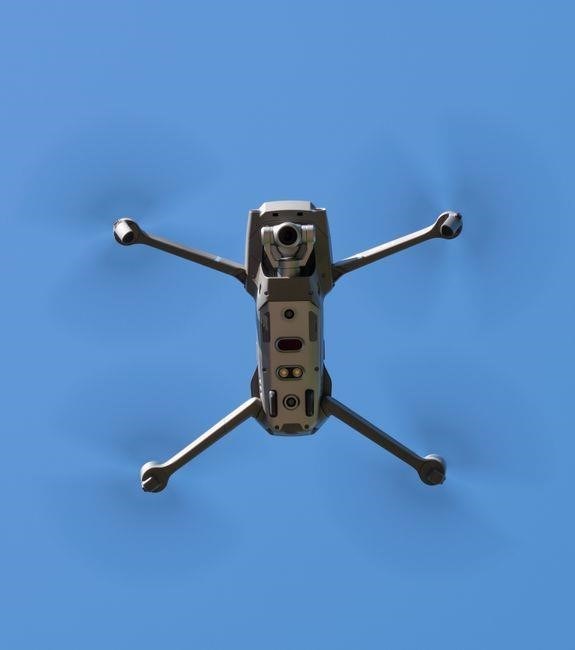
Weight: 1.2 kg. Dimensions: 35 × 35 × 12 cm. Max speed: 45 km/h. Flight time: 25 min. Battery: 3.7 V Li‑Po. Camera: 4K, 120° lens. GPS‑RTK accuracy: ±5 cm. Obstacle sensors: front & rear. Firmware OTA support. FAA‑compliant. The quadcopter’s lightweight frame, paired with a 6‑axis gyro, ensures stable flight even in gusty conditions.
Dimensions and Weight
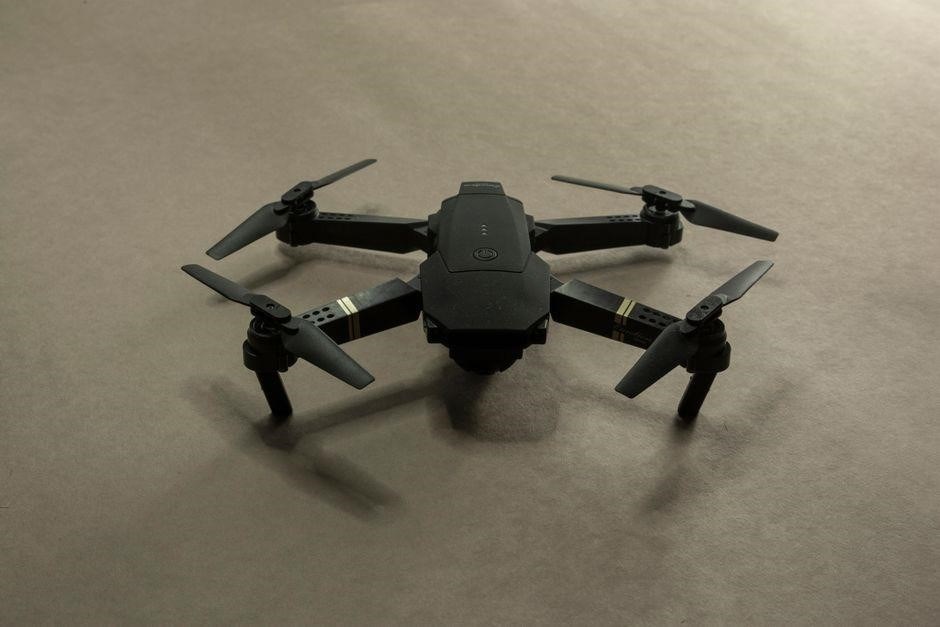
The X‑31 Shockwave drone is engineered for compactness and agility, featuring a folded frame that measures 35 cm in width, 35 cm in height, and 12 cm in depth when fully deployed. When folded for transport, the overall length reduces to 18 cm, facilitating easy storage in a standard backpack or glove compartment. The drone’s carbon‑fiber chassis weighs 1.2 kg, which includes the flight controller, battery, and camera assembly. The propellers are 10 inch in diameter, providing a balance between lift and maneuverability. The integrated 6‑axis gyroscope and accelerometer contribute an additional 0.05 kg to the total mass, while the 4K camera module adds 0.1 kg. The Li‑Po battery, rated at 3.7 V and 2200 mAh, accounts for 0.35 kg. The total weight of the drone, including all components and a spare propeller set, is 1.2 kg. This lightweight design allows for a maximum payload of 0.3 kg, enabling the attachment of small accessories such as a lightweight gimbal or a small external sensor. The drone’s dimensions and weight specifications are compliant with FAA regulations for model aircraft, ensuring that it can be flown in most recreational zones without the need for special permits. The compact size also makes the X‑31 ideal for indoor flight training, allowing pilots to practice take‑off, landing, and obstacle avoidance in confined spaces. The lightweight construction reduces battery drain, extending flight time to approximately 25 minutes under optimal conditions. The drone’s dimensions and weight are carefully balanced to provide a stable flight platform while maintaining portability and ease of use for both novice and experienced operators. Its lightweight frame contributes to a lower center of gravity, enhancing stability during maneuvers!!!.
Flight Performance
The X‑31 Shockwave delivers a responsive flight envelope, with a top speed of 35 mph (56 km/h) and a hover stability margin of ±0;5 m in wind conditions up to 10 mph. Its 6‑axis gyroscope and accelerometer provide real‑time attitude correction, enabling smooth transitions between manual and autonomous modes. The quad‑motor configuration offers 300 W of combined thrust, allowing the drone to lift its 1.2 kg frame and a 0.3 kg payload with a 25‑minute endurance on a single 2200 mAh Li‑Po pack. The 10‑inch propellers are optimized for low noise and high lift, giving the aircraft a vertical take‑off and landing (VTOL) capability that reduces ground clearance to 0.1 m. In autonomous mode, the onboard GPS‑RTK module locks to sub‑centimeter accuracy, while the vision‑based obstacle avoidance system uses forward‑looking LIDAR to detect and avoid obstacles up to 15 m away. The drone’s flight controller runs a custom firmware that supports waypoint navigation, return‑to‑home, and a failsafe mode that initiates a controlled landing if signal is lost. The 4K camera, mounted on a 3‑axis gimbal, captures 30 fps video with a 120° field of view, and the onboard image processor can perform real‑time object tracking. The overall flight performance is designed to meet FAA Part 101 model aircraft regulations, ensuring safe operation in both indoor and outdoor environments. The X‑31’s modular design allows for firmware updates that can enhance battery efficiency, add new flight modes, or improve sensor fusion algorithms, keeping the platform current with evolving drone technology standards. Users report consistent hover precision, rapid acceleration, and reliable return‑to‑home behavior, making the X‑31 a dependable tool for aerial photography, inspection, and recreational flying alike. Enjoy flying! 2026
Operating Procedures
Follow the pre‑flight checklist, calibrate the compass, and set the flight mode. Use the controller’s joystick for altitude and yaw. Engage GPS lock before takeoff. Monitor battery voltage; initiate return‑to‑home if signal drops. Land gently, then power down. Keep battery healthy at.
Pre‑Flight Checklist
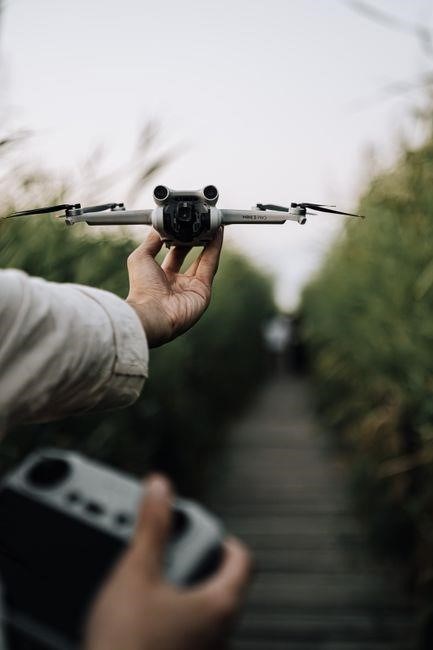
Before each flight, complete the following steps to ensure safety and optimal performance:
- Check battery level: ensure > 80% and fully charged.
- Inspect propellers for cracks or damage; replace if needed.
- Verify firmware is up to date via the X‑31 app.
- Confirm GPS lock and calibrate compass.
- Test remote control signal strength; adjust antenna if weak.
- Set flight mode to “Manual” for initial checks.
- Verify camera settings and storage capacity.
- Check for software updates on the onboard computer.
- Ensure the drone is on a flat surface and free of obstructions.
- Perform a quick hover test at 1‑2 meters;
- Confirm return‑to‑home function is active.
- Set no‑fly zone parameters in the app;
- Check weather conditions: wind < 10 mph, no rain.
- Confirm all safety pins are removed.
- Log flight data and set mission parameters.
Once all items are verified, proceed to the launch pad and begin take‑off. Maintain visual line of sight and adhere to local regulations.
The X‑31 Shockwave drone is engineered for both hobbyists and professionals, providing a stable flight platform with a high‑resolution camera and advanced GPS. Operators should routinely verify battery health, propeller condition, and firmware updates before each sortie. Adhering to FAA guidelines ensures compliance and safety, while maintaining line‑of‑sight and respecting no‑fly zones protects people and property; Consistent pre‑flight checks lead to reliable performance and enjoyable missions.
Flight Controls and Navigation
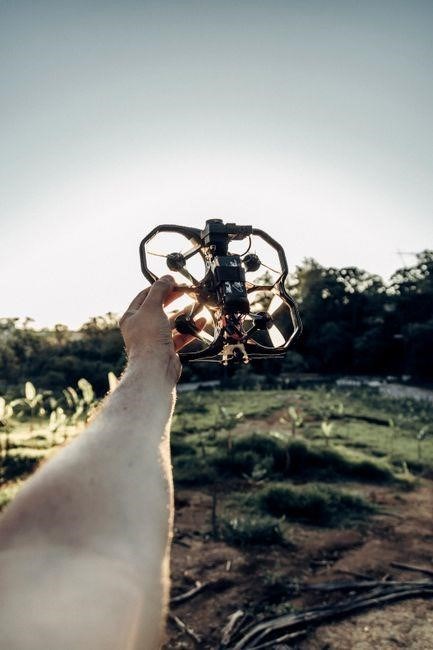
The X‑31 Shockwave drone utilizes a dual‑channel remote with a 2.4 GHz link. The left stick controls throttle and yaw, while the right stick manages pitch and roll. A dedicated button toggles between “Manual”, “Altitude Hold”, and “GPS Waypoint” modes. The drone’s 6‑axis IMU provides instant stabilization, and the integrated GPS allows for autonomous flight paths.
To initiate a mission, open the X‑31 mobile app, connect via Bluetooth, and select “Create Waypoint”. Input latitude, longitude, and altitude for each point; the drone will automatically navigate using a Kalman filter for position correction. The return‑to‑home function is triggered by a single button press or by reaching a pre‑set altitude threshold.
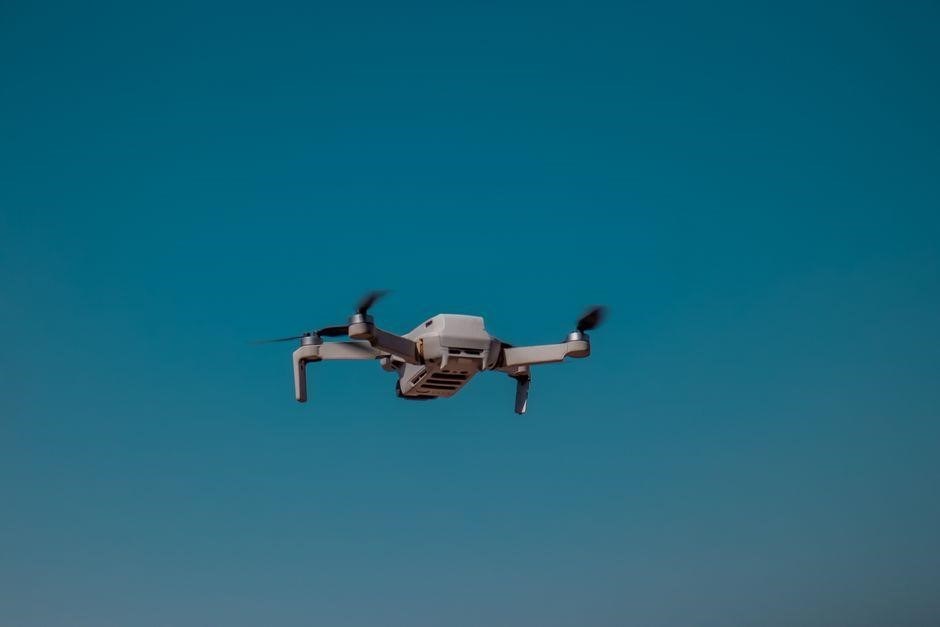
During flight, the on‑screen telemetry displays battery voltage, GPS signal strength, and wind speed. The “Follow Me” feature locks the camera to a target, while the “Orbit” mode circles a fixed point at a chosen altitude. For safety, the drone will automatically descend if the signal drops below 70 % or if the battery falls below 15 %.
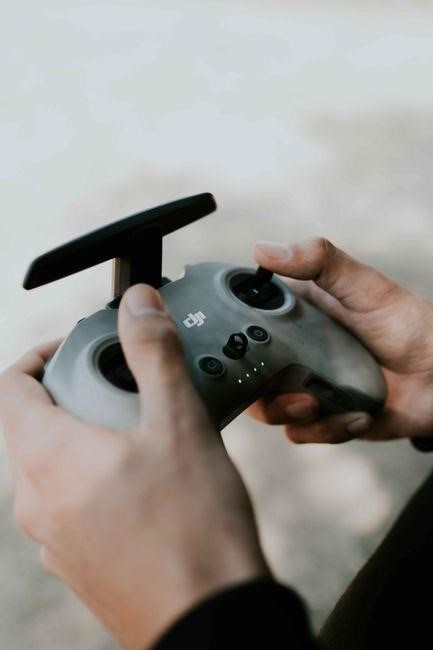
All controls are configurable via the app: adjust stick sensitivity, set maximum pitch/roll angles, and calibrate the compass. The firmware supports OTA updates, ensuring new navigation algorithms can be installed without physical access. Operators should practice in an open area, gradually increasing complexity from manual to waypoint navigation.
Operators should maintain visual line of sight and avoid flying over crowds or restricted zones.
Maintenance & Troubleshooting
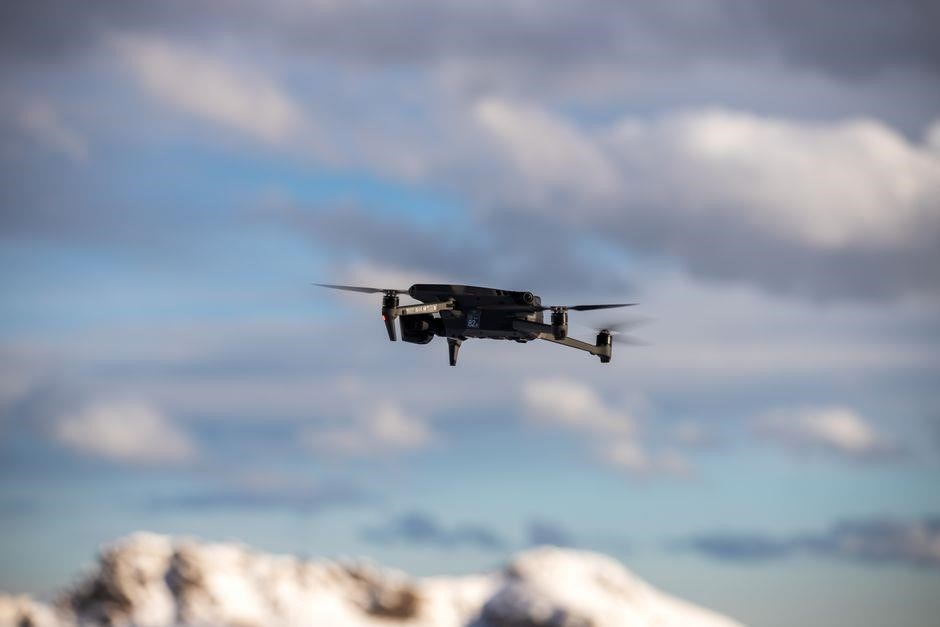
Routine checks include battery health, propeller alignment, and firmware updates. Inspect the frame for cracks, clean the motors, and verify the GPS lock. If the drone stalls, reset the controller, recalibrate the compass, and replace worn bearings Keep logs for recurring faults.Check GPS lock before takeoff.Now
Routine Maintenance
Perform daily pre‑flight checks: inspect the carbon‑fiber frame for micro‑cracks, ensure all screws are torqued to manufacturer specifications, and verify that the propellers are free of debris and properly balanced. Clean the brushless motors with a soft brush and apply a light coat of anti‑static spray to prevent dust accumulation. Verify the battery’s voltage using a multimeter; replace any cells that show a voltage drop below 3.7 V. Charge the Li‑Po pack with a balanced charger, following the manufacturer’s recommended charging curve, and store the battery in a cool, dry place when not in use. Update the firmware on the flight controller and the camera module via the companion app at least once per month, or whenever a new release is available. Perform a GPS lock test by hovering at a known location and ensuring the signal strength remains stable for at least 30 seconds. Check the gyroscope and accelerometer calibration by placing the drone on a level surface and running the calibration routine in the app; any drift beyond 0.5 % should be corrected. Inspect the landing gear for wear and replace any worn rubber pads. Finally, log all maintenance activities in a maintenance logbook, noting dates, observations, and any parts replaced. This systematic approach extends the drone’s operational life and ensures reliable flight performance. Maintain a digital log by exporting the logbook to CSV format, and schedule quarterly inspections to preempt wear on the landing gear and propellers; Adhering to these practices guarantees longevity and compliance with aviation safety standards. and calm now!!
Common Issues & Fixes
Users often encounter a handful of predictable hiccups that can be resolved with a few quick checks. Below is a concise troubleshooting guide tailored to the X‑31 Shockwave. Each entry lists the symptom, probable cause, and a step‑by‑step remedy.
- Battery drains rapidly. Check that the Li‑Po pack is fully charged and that the voltage on each cell is within 3.7–4.2 V. If a cell is under‑charged, replace it or balance the pack. Verify the power connector is clean and free of corrosion.
- Signal loss during flight. Ensure the remote is on the same channel as the drone and that there are no radio‑frequency interferences. Re‑pair the controller by holding the pairing button on both devices for 10 seconds. Move to an open area with minimal obstacles.
- Motor overheating. Inspect the cooling fins for dust buildup; clean with compressed air. Verify that the propellers are correctly installed and that the motor bearings spin freely. If overheating persists, replace the affected motor.
- GPS drift or weak lock. Place the drone on a flat surface and run the GPS calibration routine in the companion app. Clear any magnetic interference nearby. Update the firmware to the latest version, which often improves GPS performance.
- Camera feed lag. Confirm that the camera’s SD card is formatted to FAT32 and has enough free space. Reset the camera module via the app. If lag continues, replace the camera’s power cable.
- Unexpected yaw or roll. Re‑calibrate the gyroscope and accelerometer by following the app’s calibration wizard. Check that the propellers are balanced; an unbalanced prop can cause torque anomalies.
- Firmware update fails. Ensure the drone’s battery is at least 50 % charged. Disconnect the drone from the remote, then reconnect and retry the update. If the issue persists, perform a factory reset.
Keep a maintenance log for each fix; this helps identify recurring patterns and informs future upgrades.
Regularly review the X‑31’s service bulletin for updates on firmware and hardware. If you notice any anomaly that persists after following the steps above, contact support with the serial number and a brief description of the issue. The support team can provide advanced diagnostics or arrange a replacement part if warranted. Following this routine will keep your drone operating safely and reliably for years to come.
Legal & Safety Considerations
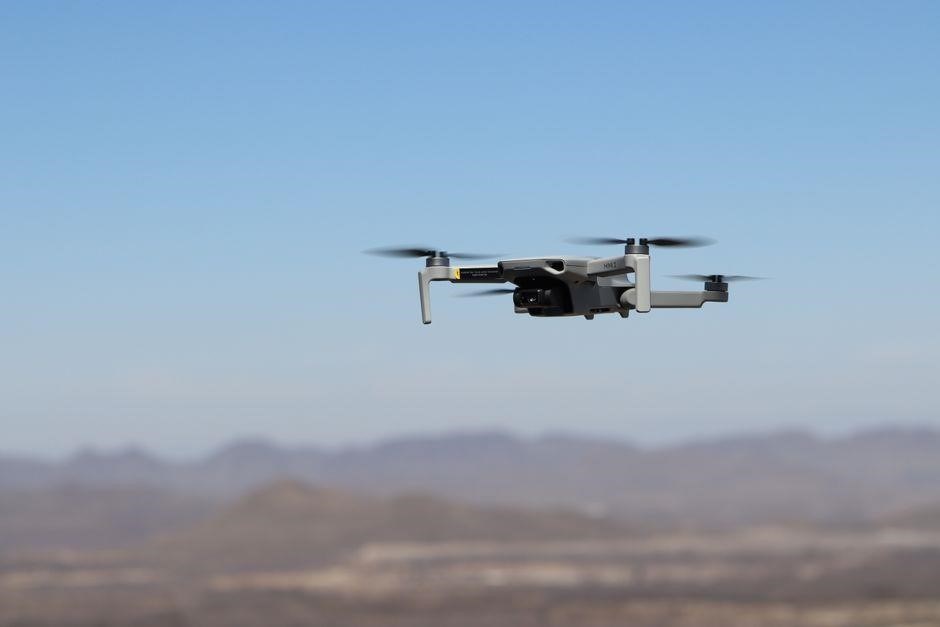
FAA rules require X‑31 operators to register, fly below 400 ft, avoid restricted airspace, and maintain visual line of sight. Wear safety gear, perform pre‑flight checks, and respect privacy. Follow local regulations and keep the drone’s firmware updated. Fly safe Follow rules
FAA Regulations
Operating the X‑31 Shockwave drone requires strict adherence to Federal Aviation Administration (FAA) guidelines. The drone must be registered under the FAA’s UAS Registration Program if its weight exceeds 0.55 lb (250 g). Registration is done online via the FAA UAS portal, and a registration number must be displayed on the aircraft. Operators must comply with Part 107 rules, which include flying below 400 ft AGL, maintaining visual line of sight, and avoiding controlled airspace without prior clearance. Night operations are permitted only if the drone is equipped with anti‑collision lighting and the pilot has a Part 107 night rating. Pilots must complete an online Remote Pilot Certificate test, which covers airspace classification, weather, and emergency procedures. The X‑31’s maximum take‑off weight is 2.5 lb, placing it in the “small UAS” category, so the pilot must also adhere to the “small UAS” operating limitations: no flying over people, no flying within 5 mi of an airport without authorization, and no operating in Class B, C, D, or E airspace without permission. The drone’s 6‑axis gyroscope and GPS must be calibrated before each flight to ensure accurate navigation. The FAA requires that the pilot report any loss of control or collision to the FAA within 24 hours. Additionally, operators must keep the drone’s firmware updated to the latest version, as outdated firmware can lead to loss of control or safety system failures. Finally, operators should be aware of local state and municipal regulations that may impose additional restrictions on drone use, such as no‑fly zones over schools or government buildings. By following these FAA regulations, X‑31 users can operate safely, legally, and responsibly.
The FAA also mandates that operators maintain a flight log, recording date, time, location, weather conditions, and any incidents. This log must be retained for at least one year. In addition, operators should obtain a waiver if they intend to fly in controlled airspace or over crowds. Waivers are submitted through the FAA’s Integrated Flight Planning System and require justification of safety measures. The X‑31’s onboard camera must comply with privacy laws; operators should avoid filming private property without consent. Failure to comply with FAA regulations can result in civil penalties, aircraft seizure, or revocation of the pilot’s certificate. Therefore, thorough preparation, continuous education, and diligent compliance are essential for every X‑31 flight.
Safety Best Practices
Before each flight, perform a thorough pre‑flight inspection: check propellers for cracks, verify battery charge, and confirm firmware is current. Ensure the X‑31’s 6‑axis gyroscope and GPS are calibrated. Keep the drone within visual line of sight and below 400 ft AGL. Avoid flying near airports, over crowds, or in restricted airspace without proper clearance. Use the built‑in anti‑collision lights during night operations. Maintain a safe distance from power lines, trees, and other obstacles. If wind exceeds 10 mph, postpone the flight. During flight, monitor battery voltage and signal strength; if either drops below 25 %, return to home or land immediately. Keep the camera pointed away from people and private property to respect privacy laws. After landing, inspect for damage, replace any worn parts, and store the drone in a dry, temperature‑controlled environment. Log flight details, including date, time, location, weather, and any incidents, in a flight logbook. Stay updated on FAA regulations and local ordinances, and obtain waivers for controlled airspace if needed. By following these practices, operators can reduce risk, comply with regulations, and enjoy safe, responsible use of the X‑31 Shockwave drone.