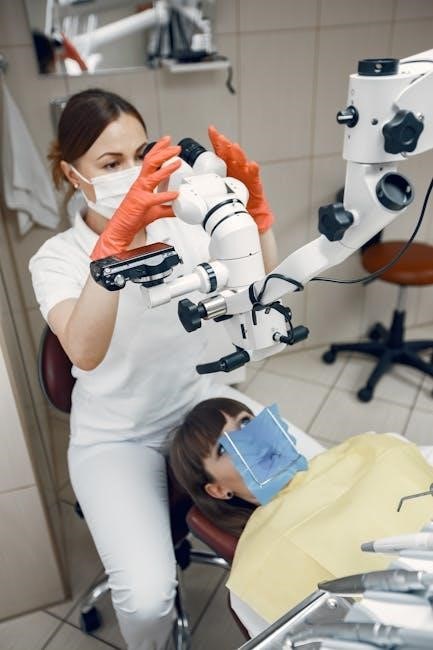
Root Canal Post-Operative Instructions: A Comprehensive Guide
Following root canal therapy, diligent aftercare is crucial for optimal healing and long-term tooth preservation. Understanding and adhering to these instructions,
provided by dental professionals like Dana Price Dental, ensures a smooth recovery and minimizes potential complications. Consultation appointments, such as those offered by Smile 4 U Croydon,
are vital for personalized guidance. Remember, gaining root access, like with rooting a Samsung Galaxy S5, requires careful steps and understanding.
Immediate Post-Operative Care (First 24 Hours)
The initial 24 hours following your root canal are critical for establishing proper healing. Immediately after the procedure, maintain gentle pressure on the treated area by biting down firmly, but comfortably, on a clean gauze pad for at least 30 minutes. Change the gauze as needed until bleeding subsides. Avoid disturbing the clot that forms in the tooth’s canal, as this is essential for healing.
Refrain from eating or drinking anything until the anesthetic has completely worn off, to prevent accidental biting of your tongue or cheek. Once sensation returns, stick to soft foods and liquids. Avoid hot beverages and foods, as they can increase swelling. It’s crucial to avoid strenuous physical activity during this period, as it can elevate blood pressure and potentially cause bleeding.
Over-the-counter pain relievers, as recommended by your dentist, can effectively manage any discomfort. Like gaining root access on an Android device (requiring careful steps, as noted in discussions on XDA forums), post-operative care demands attention to detail. Rest is paramount; allow your body to focus on healing. Remember, understanding the process, similar to understanding the implications of rooting a phone, is key to a successful outcome.
Pain Management Strategies
Post-root canal discomfort is common, but typically manageable. Over-the-counter pain relievers, such as ibuprofen or acetaminophen, are usually sufficient for mild to moderate pain. Follow the dosage instructions carefully. Your dentist may prescribe stronger pain medication if needed, particularly if you experienced significant inflammation before treatment. Take prescribed medications exactly as directed, and do not exceed the recommended dose.
Applying a cold compress to the outside of your cheek near the treated tooth for 20 minutes on, 20 minutes off, can help reduce swelling and numb the area. Avoid applying heat, as it can worsen inflammation. Maintaining good oral hygiene, including gentle brushing and flossing, is also crucial, as infection can exacerbate pain.
If pain persists or worsens despite medication, contact your dentist. Just as troubleshooting a rooted Android device (requiring specific knowledge, as discussed on forums like 52pojie.cn) requires targeted solutions, managing post-operative pain often involves a tailored approach. Remember, proactive pain management contributes significantly to a comfortable recovery.
Dietary Recommendations Following Root Canal Treatment
Following a root canal, your dietary choices play a vital role in healing and preventing complications. For the first 24-48 hours, stick to soft foods that require minimal chewing. Examples include yogurt, applesauce, mashed potatoes, soup, and smoothies. Avoid hard, crunchy, or chewy foods that could put stress on the treated tooth, potentially dislodging a temporary filling or causing discomfort.
Steer clear of extremely hot or cold foods and beverages, as they may increase sensitivity. Similarly, avoid sugary foods and drinks, as these can contribute to bacterial growth and potentially lead to infection. Focus on nutrient-rich foods to support your body’s natural healing processes;
As your discomfort subsides, you can gradually reintroduce more solid foods into your diet. However, continue to avoid foods that cause pain or sensitivity. Just as carefully considering app permissions after rooting an Android device (as emphasized by OPDA Team) is crucial for security, mindful eating is essential for successful root canal recovery.
Oral Hygiene Practices After Root Canal
Maintaining excellent oral hygiene is paramount after root canal treatment to prevent infection and promote healing. Continue brushing twice daily with a soft-bristled toothbrush, being gentle around the treated tooth. Flossing is also crucial, but carefully maneuver the floss to avoid irritating the gums near the treatment site.
Initially, avoid vigorous rinsing. Instead, gently rinse your mouth with lukewarm saltwater (as detailed in many post-operative guides) after meals to keep the area clean. Avoid using mouthwashes containing alcohol, as they can cause irritation. Pay close attention to removing food particles from all areas of your mouth, just as you would when securing your Android device after rooting it (akin to the advice from XDA developer forums).
If a temporary filling is in place, avoid chewing directly on that side of your mouth. Your dentist will provide specific instructions regarding cleaning around the temporary restoration. Consistent, gentle oral hygiene is key to long-term success.
Understanding Normal Post-Operative Symptoms
It’s common to experience some discomfort following a root canal, but understanding what’s normal can alleviate anxiety. Mild to moderate pain is expected, typically managed with over-the-counter pain relievers or as prescribed by your dentist. Some sensitivity to pressure when biting down is also normal, gradually diminishing over several days.
You may notice slight swelling or bruising around the treated area, similar to what can occur after any dental procedure. This is a natural inflammatory response and usually subsides within a week. A small amount of oozing from the access opening is also possible, especially in the first 24 hours.
Remember, just as rooting your phone (like a Samsung Galaxy S5) can have initial adjustments, your mouth needs time to adapt. These symptoms don’t necessarily indicate a problem; however, escalating pain, severe swelling, or fever warrant immediate contact with your dentist.
When to Contact Your Dentist Immediately

While some post-operative symptoms are normal, certain signs indicate a potential complication requiring prompt dental attention. Severe, unrelenting pain that isn’t relieved by prescribed or over-the-counter medication is a key warning sign. Similarly, significant swelling that extends beyond the immediate treatment area, or swelling that hinders breathing or swallowing, demands immediate care.
A fever, especially one exceeding 100.4°F (38°C), suggests a possible infection. Also, contact your dentist if you experience noticeable pus or discharge from the treated tooth or surrounding gums. Unexpected sensitivity or pain when biting, which intensifies rather than diminishes over time, should also be reported.
Just as troubleshooting a rooted Android device (requiring expert knowledge), a root canal complication needs professional assessment. Don’t hesitate to reach out if you’re concerned; early intervention can prevent minor issues from escalating into more serious problems. Ignoring these symptoms could jeopardize the treatment’s success.
Managing Swelling and Bruising
Some degree of swelling and bruising is common after root canal treatment, particularly in the face and gums. Applying a cold compress to the affected cheek for 20 minutes on, 20 minutes off, during the first 24-48 hours can significantly minimize swelling. Avoid direct pressure on the treated site. Elevating your head, even while resting, also aids in reducing inflammation.
Bruising may occur due to the local anesthetic injection. This is typically temporary and will resolve on its own within a week or two. Gentle application of a warm compress after the initial 48 hours can help with bruising. Avoid strenuous activity, as it can increase blood flow and worsen swelling and bruising, similar to avoiding instability after rooting a device.
Over-the-counter pain relievers, as recommended by your dentist, can help manage discomfort associated with swelling. If swelling is excessive or accompanied by fever, contact your dentist immediately, as it could indicate an infection requiring further attention.
Antibiotic Usage and Precautions
Antibiotics are not routinely prescribed after root canal treatment, as the procedure itself aims to eliminate infection within the tooth. However, your dentist may prescribe antibiotics if there’s significant pre-existing infection, swelling extending beyond the immediate treatment area, or if you have a compromised immune system. Always complete the entire course of antibiotics, even if you feel better, to ensure complete eradication of bacteria.
If prescribed, take the antibiotics as directed, typically with food to minimize stomach upset. Be aware of potential side effects, such as nausea, diarrhea, or allergic reactions. If you experience any allergic reaction (rash, itching, swelling, difficulty breathing), seek immediate medical attention.
Avoid alcohol consumption while taking antibiotics, as it can interact with the medication and reduce its effectiveness. Do not share your antibiotics with anyone else. Like carefully managing root access on a device, responsible antibiotic use is crucial. Contact your dentist if you miss a dose or experience any concerning symptoms during the antibiotic course.
Temporary Filling Care Instructions
Following your root canal, a temporary filling is placed to seal the access opening in your tooth. This filling is not as durable as a permanent restoration and requires specific care. Avoid chewing hard or sticky foods on the side of your mouth with the temporary filling, as this can dislodge it. Be cautious when brushing and flossing around the treated tooth; use gentle pressure to avoid disturbing the filling.
It’s normal for the temporary filling to feel slightly different than your natural tooth. You might experience some sensitivity to temperature changes, but this should subside. If the temporary filling falls out, contact your dentist immediately to schedule an appointment for re-cementation. Maintaining the seal is vital to prevent bacteria from re-entering the tooth.
Like carefully managing system files after rooting a phone, protecting the temporary filling is essential. Avoid prolonged exposure to extremely hot or cold temperatures. Remember, the temporary filling is a placeholder until your permanent crown is ready, so diligent care is key to a successful outcome.
Long-Term Care of Root Canal Treated Tooth
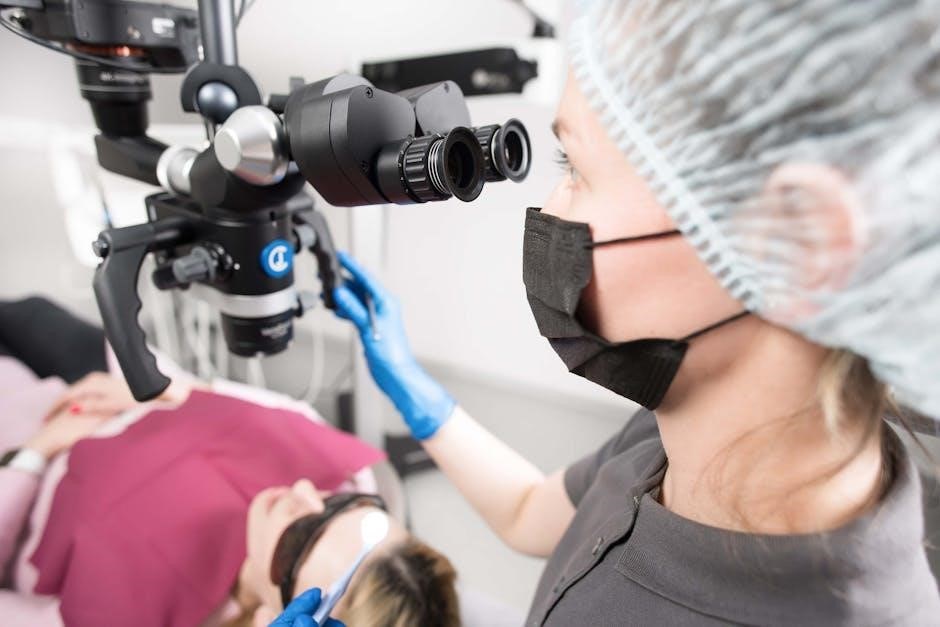
A root canal treated tooth, while saved from extraction, requires ongoing care to ensure its longevity. Maintaining excellent oral hygiene – brushing twice daily and flossing regularly – is paramount. Regular dental check-ups and professional cleanings are also crucial for monitoring the tooth and surrounding tissues.
Even with successful root canal treatment, the tooth becomes more brittle and susceptible to fracture. This is why a permanent restoration, typically a crown, is essential. The crown provides strength and protection, preventing cracks and breaks. Avoid habits like teeth grinding (bruxism), as this places excessive stress on the treated tooth.
Think of it like maintaining a rooted Android device – consistent attention prevents issues. While the success rate of root canal treatment is high, complications can occur. Promptly address any new pain, swelling, or sensitivity. Following these guidelines, alongside your dentist’s recommendations, will maximize the lifespan of your restored tooth.
The Importance of a Permanent Restoration (Crown)
Following a root canal, the tooth’s internal structure is removed, leaving it weakened and vulnerable to fracture. A permanent restoration, most commonly a crown, is therefore not merely recommended – it’s essential for long-term tooth preservation. Think of it as completing the ‘root’ process, similar to fully rooting an Android device for optimal functionality.
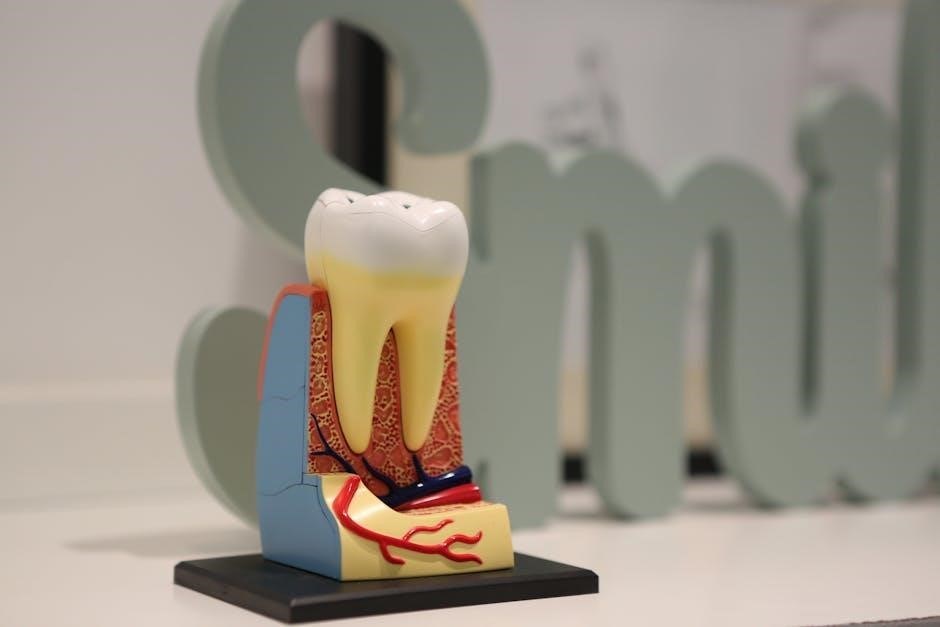
The crown encases the entire visible portion of the tooth, providing crucial structural support and protecting it from further damage. Without a crown, the tooth is significantly more prone to cracking under normal chewing forces. This can lead to reinfection, requiring further treatment or even extraction.
Selecting the appropriate crown material – porcelain, ceramic, or metal – will be discussed with your dentist based on your individual needs and aesthetic preferences. Proper crown placement ensures a tight seal, preventing bacteria from re-entering the tooth. Just as securing a rooted phone prevents unwanted access, a crown safeguards your restored tooth.
Potential Complications and Their Management
While root canal treatment boasts a high success rate, potential complications can arise. Post-operative pain, though typically manageable with over-the-counter or prescribed medication, may persist beyond a few days. Increased sensitivity to temperature is also common initially, gradually subsiding over time. Similar to troubleshooting after rooting a device, addressing these issues promptly is key.
In rare cases, reinfection can occur if bacteria re-enter the tooth, potentially necessitating retreatment or even apicoectomy (surgical removal of the root tip). Persistent swelling, severe pain unresponsive to medication, or the return of a noticeable abscess warrants immediate dental attention.
Fracture of the treated tooth, particularly without a crown, is another potential complication. Promptly reporting any cracks or chips to your dentist is crucial. Understanding these possibilities, and maintaining diligent oral hygiene, minimizes risks. Just as careful operation prevents issues with a rooted phone, proactive care safeguards your treated tooth.
Root Canal Retreatment: What to Expect
If a previously treated root canal fails to resolve infection or pain, retreatment may be necessary. This process, similar to re-installing a custom ROM after a failed root, involves revisiting the tooth to address the initial issue. The dentist will re-access the tooth, remove the existing filling material, and thoroughly clean and reshape the root canals.
Advanced diagnostic tools, like 3D imaging, may be utilized to identify any missed canals or complexities. Once cleaned, the canals are refilled and sealed. Retreatment isn’t always straightforward; sometimes, a crown may need adjustment or replacement.
Occasionally, a root-end surgery (apicoectomy) is recommended alongside retreatment, particularly if the initial problem stems from a blockage at the root’s tip. Expect a similar post-operative experience as the initial root canal, including potential discomfort and the need for careful oral hygiene. Like troubleshooting a complex Android issue, patience and collaboration with your dentist are vital for success.
Addressing Post-Operative Sensitivity
It’s common to experience some tooth sensitivity to pressure, temperature, or sweets after a root canal, akin to the adjustments needed after rooting an Android device. This sensitivity typically diminishes within a few days or weeks as the tissues around the tooth heal. Over-the-counter pain relievers, as recommended by your dentist, can effectively manage any discomfort.
Avoid extremely hot or cold foods and beverages initially. Gentle chewing is advised, gradually returning to your normal diet as sensitivity subsides. Maintaining meticulous oral hygiene is paramount; however, avoid applying excessive pressure during brushing or flossing around the treated tooth.
If sensitivity persists beyond a reasonable timeframe, or intensifies, contact your dentist. It could indicate an issue requiring further evaluation, such as a high filling or incomplete healing. Like debugging a software issue, identifying and addressing the cause promptly is crucial for a comfortable recovery. Saltwater rinses can also provide soothing relief.
Managing Discomfort During Chewing
Following root canal treatment, some discomfort during chewing is normal, similar to the initial adjustments after modifying system files during a root process. Initially, prioritize soft foods – yogurt, applesauce, mashed potatoes – that require minimal chewing effort. Avoid hard, crunchy, or sticky foods that could place undue stress on the treated tooth.
Chew on the opposite side of your mouth as much as possible to minimize pressure on the affected tooth. As sensitivity decreases, gradually reintroduce firmer foods into your diet. Pay attention to your body; if a particular food causes pain, avoid it for a few more days.
If discomfort persists despite dietary modifications, over-the-counter pain relievers can provide temporary relief. Ensure your bite feels even; if you suspect the filling is too high, causing discomfort upon biting, contact your dentist for adjustment. Like troubleshooting a software glitch, addressing the source of discomfort is key.
Preventing Infection After Root Canal
Preventing infection post-root canal is paramount, akin to maintaining system security after rooting a device. Meticulous oral hygiene is your first line of defense. Continue brushing twice daily with a soft-bristled toothbrush, and floss daily to remove food particles and plaque from around the treated tooth and gums.
Your dentist may prescribe antibiotics, particularly if there’s evidence of existing infection. Complete the entire course of antibiotics, even if symptoms improve, to ensure complete eradication of bacteria. Saltwater rinses (as detailed elsewhere) also aid in reducing bacteria and promoting healing.
Avoid introducing bacteria into the treated area. Do not smoke, as it impairs healing and increases infection risk. Be mindful of what you eat and drink, avoiding sugary foods and beverages that can fuel bacterial growth. Promptly report any signs of infection – increased pain, swelling, redness, or pus – to your dentist. Like patching vulnerabilities, proactive care is essential.
The Role of Saltwater Rinses
Saltwater rinses are a cornerstone of post-root canal care, offering a simple yet effective method for promoting healing and preventing infection – much like maintaining a clean system after gaining root access on an Android device. The saline solution creates a hypertonic environment, drawing out fluids and reducing swelling in the gums and surrounding tissues.
To prepare a saltwater rinse, dissolve ½ teaspoon of salt in 8 ounces of warm (not hot) water. Gently swish the solution around in your mouth for approximately 30 seconds, focusing on the treated area. Avoid vigorous rinsing, as this can disrupt the healing process. Repeat this rinse 2-3 times daily, especially after meals.
Saltwater rinses help to dislodge food particles, reduce bacterial load, and soothe irritated tissues. They are a natural antiseptic and contribute to a cleaner oral environment. Consistent use, alongside prescribed medications and good oral hygiene, significantly enhances recovery. Consider it a preventative measure, similar to security protocols.
Avoiding Strenuous Activity
Following a root canal, it’s crucial to prioritize rest and avoid strenuous physical activity for at least 24-48 hours, and ideally for a few days. This isn’t merely about physical comfort; it’s about preventing complications that could compromise the healing process – akin to avoiding system instability after rooting a phone.
Strenuous activity elevates blood pressure and heart rate, potentially leading to increased bleeding from the treatment site. This can disrupt clot formation, delaying healing and increasing the risk of infection. Activities to avoid include heavy lifting, vigorous exercise, and any activity that causes significant physical exertion.
Gentle walking is generally permissible, but listen to your body and stop if you experience any discomfort. Focus on allowing your body to recover and dedicate energy to the healing process. Just as careful operation is needed after modifying system files, a period of calm is vital post-procedure. Prioritize rest, hydration, and adhere to all post-operative instructions provided by your dentist.
Medication Interactions to Be Aware Of
When managing post-root canal discomfort, informing your dentist about all medications you’re taking is paramount. Certain drug interactions can compromise healing or amplify side effects, similar to how unauthorized app permissions can destabilize a rooted Android device.
Specifically, blood thinners (like warfarin or aspirin) can increase the risk of bleeding after the procedure. Nonsteroidal anti-inflammatory drugs (NSAIDs), while effective for pain, may interact with certain blood pressure medications. Combining opioids prescribed for pain with other sedatives or alcohol is extremely dangerous and can lead to respiratory depression.
Even over-the-counter medications, like herbal supplements, can potentially interfere with healing or medication efficacy. Always disclose everything to your dentist. They can adjust your pain management plan accordingly, ensuring your safety and optimal recovery. Just as understanding SELinux is crucial when rooting, knowing your medication profile is vital for a successful outcome. Prioritize open communication with your dental care team.
Follow-Up Appointment Scheduling
A follow-up appointment is a non-negotiable component of root canal treatment, crucial for verifying successful healing and planning the next steps, much like regularly updating a rooted Android device for security. Your dentist will typically schedule this appointment within a few weeks to months after the initial procedure.
During this visit, they’ll assess the treated tooth for any signs of infection or complications using clinical examination and often, X-rays. This allows them to confirm the root canals are properly sealed and that the surrounding tissues are healthy. It’s a chance to address any lingering discomfort or sensitivity you may be experiencing.
More importantly, the follow-up appointment is where the need for a permanent restoration – typically a crown – will be determined. A crown protects the weakened tooth from fracture and ensures its long-term functionality. Don’t delay scheduling or attending this appointment; it’s vital for the overall success of your root canal treatment, similar to promptly addressing issues after rooting your phone.
Long-Term Success Rate of Root Canal Treatment
Root canal treatment boasts a remarkably high long-term success rate, often exceeding 90% according to numerous dental studies. However, this success isn’t solely dependent on the procedure itself, but also on diligent post-operative care and adherence to your dentist’s recommendations – akin to maintaining a properly rooted Android device with regular updates.
Factors influencing success include the complexity of the root canal system, the presence of pre-existing infections, and the quality of the final restoration (crown). A well-fitted crown is paramount, protecting the treated tooth from fracture and ensuring its continued functionality. Regular dental check-ups and maintaining excellent oral hygiene are also essential for long-term success.
While retreatment may be necessary in some cases, often due to unforeseen complications or newly discovered canals, the vast majority of root canal-treated teeth can remain functional and pain-free for many years, even a lifetime. Proactive care, similar to understanding SELinux settings when rooting, significantly increases the likelihood of a positive outcome.